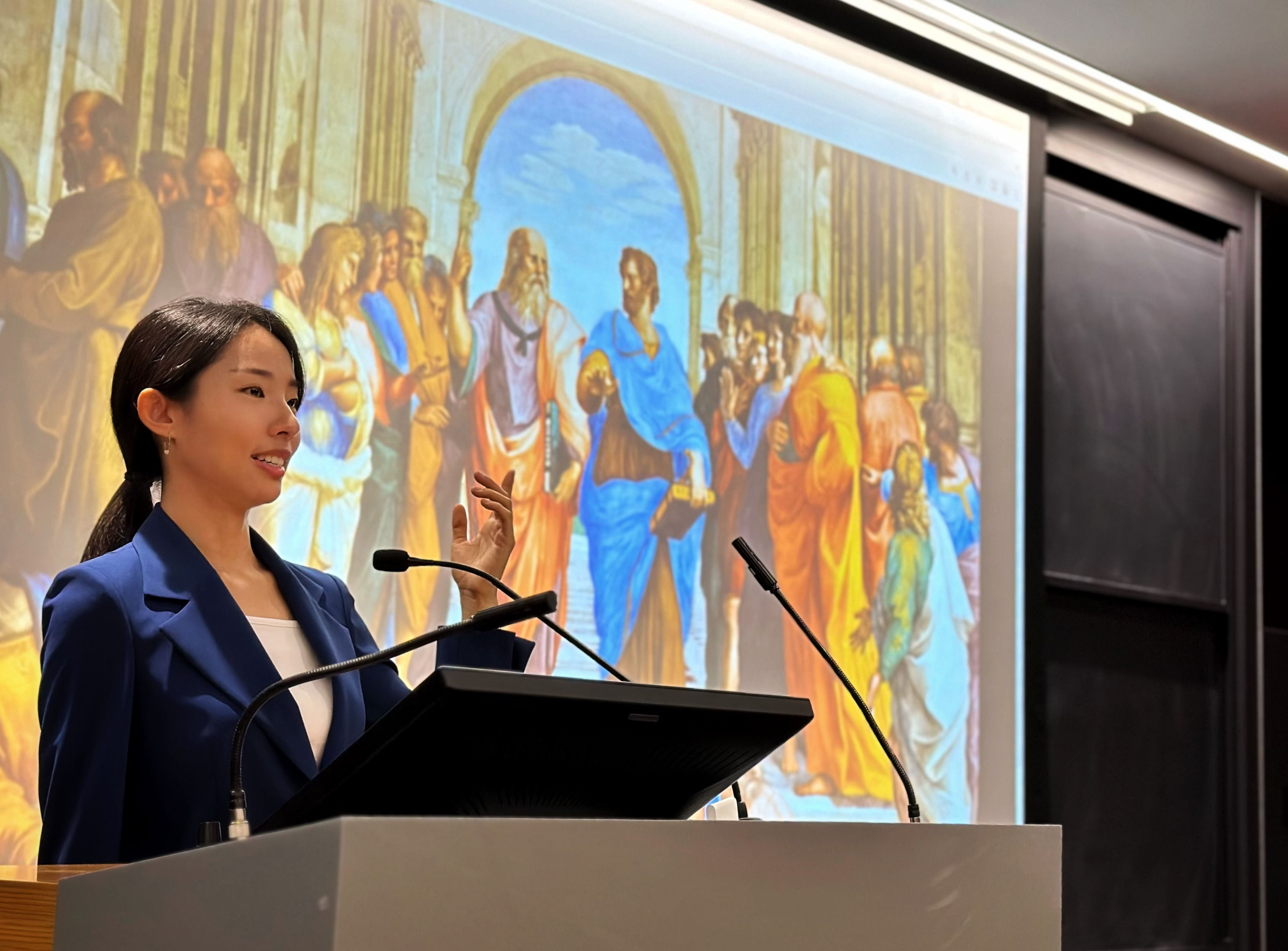
As an instructor in political theory, I want my students to have not only more knowledge but also communication competence when they go out from the classroom and into society. When students graduate and thrive in various fields, they will encounter many different ideas and perspectives. One of my goals as a political theory instructor is to guide my students to be prepared to recognize different values, beliefs, and interests in society and engage with them in constructive ways. I aim to provide the students with a collaborative learning environment and relevant resources, with which they can learn how to think critically, develop original ideas, listen to others, and persuade and be persuaded as they share their ideas.
Constructive Communication
When I teach Plato’s Apology, I make the class into the trial of Socrates, where my students are the jury themselves.
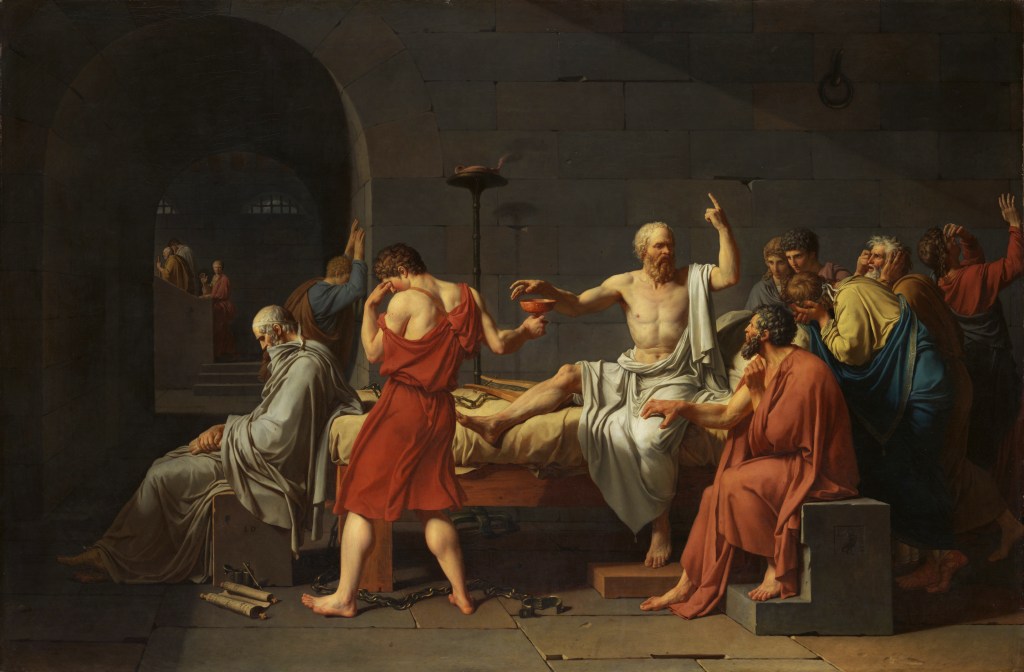
Students discuss together whether and how they would sentence their Socrates. While ‘not guilty’ prevails in the beginning for most groups, the final sentences vary—sentencing Socrates to death, exile, or not guilty.
The Goal of the Session:
- Develop their own perspectives based on the reading materials
- Listen actively and attentively to others
- Articulate and clarify their views effectively
- Strengthen the ability to provide evidence for their argument
- Persuade and be persuaded by others through constructive communication
Different Learning Styles
I strive to incorporate various methods into my teaching to accommodate different learning styles
While most courses in political theory are
reading-and-writing-based learning,
there are students who may thrive even more
when different learning styles, such as visual, auditory,
and kinesthetic (VARK model), are accommodated.

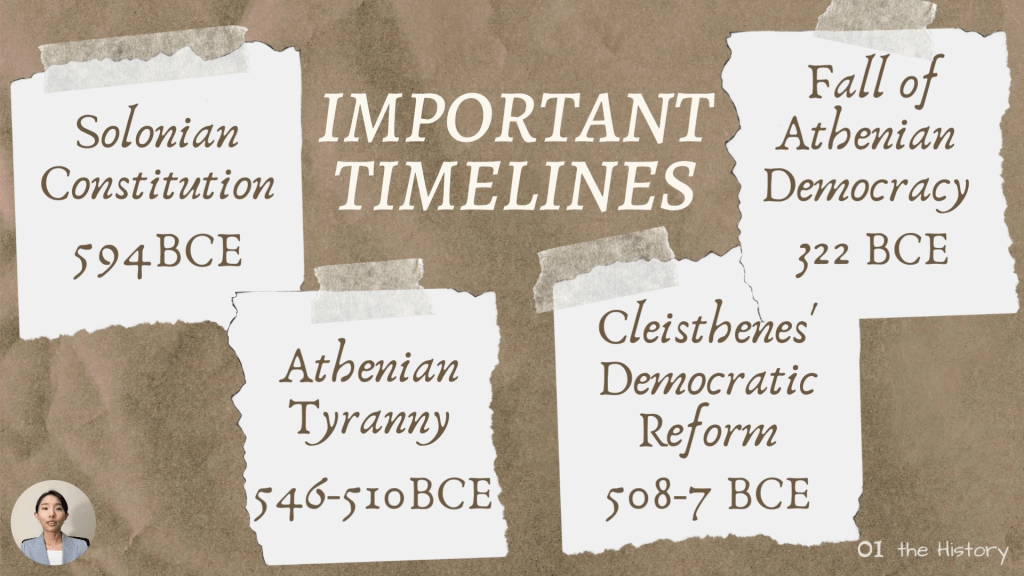
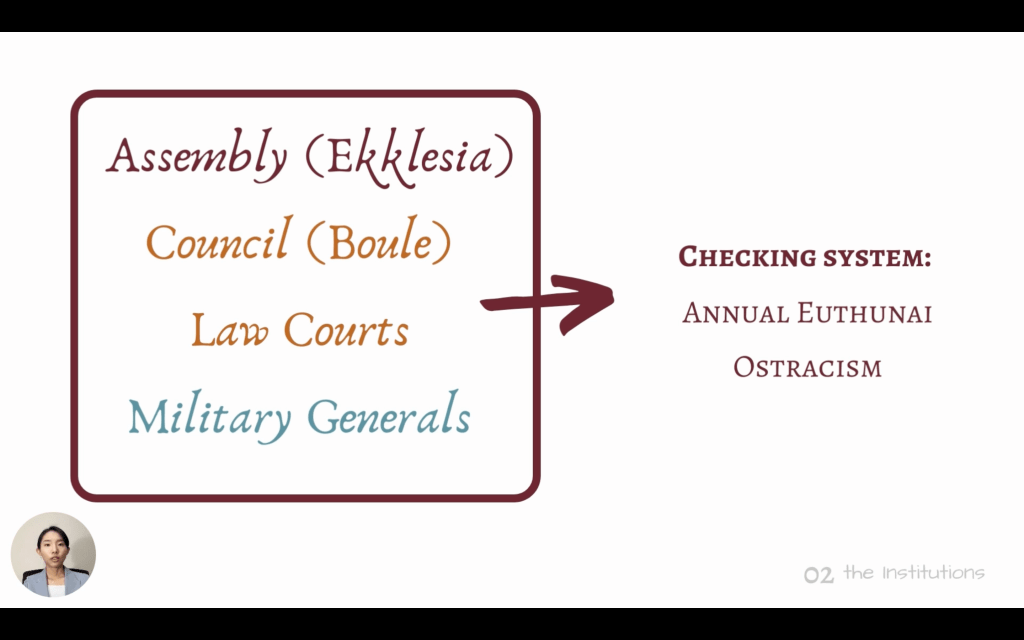

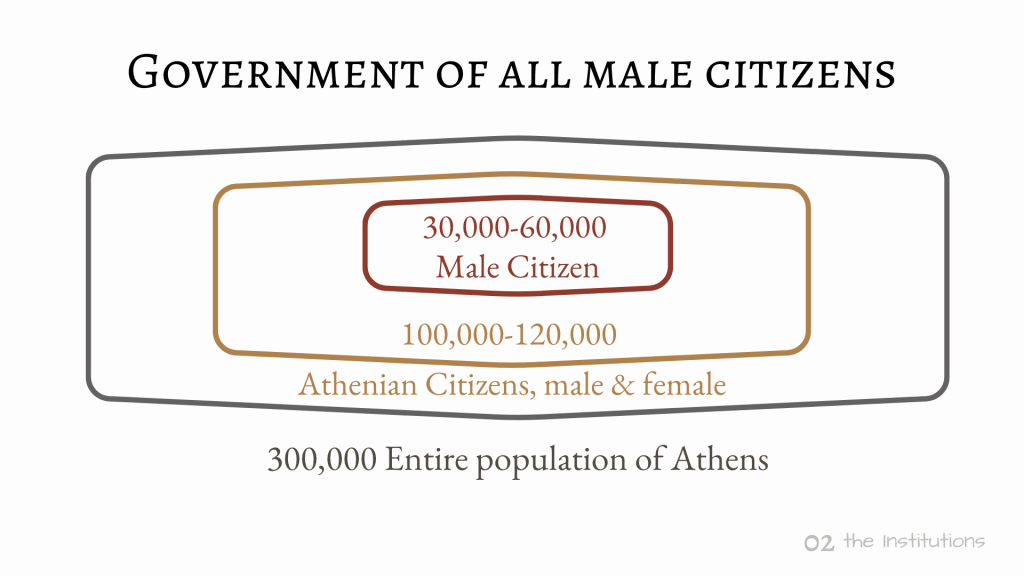
When I teach Plato’s Allegory of the Cave, I like to use visual resources, such as a short video clip or an illustration of the Cave, to accommodate visual learning style.

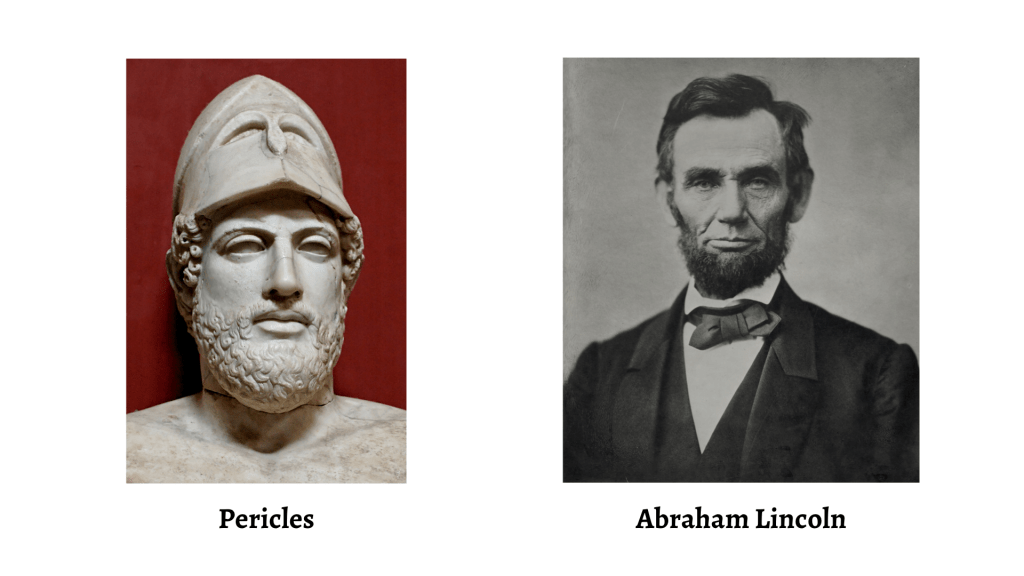
When teaching Pericles’ Funeral Oration, I like to play Abraham Lincoln’s Gettysburg Address (from the movie Saving Lincoln) as a comparison, through which I incorporate visual and auditory components into class.
Student Reviews
- “Dr Yoon is amazing. Her passion for teaching and philosophy really shines through.”
- “Absolutely wonderful class, she broke down every complex element into bite–sized arguments, but still managed to propose thought–provoking questions. The structure was so great, the in-class discussions were so well led by the professor.”
- “Perfect, the balance of debates, readings, and lectures was great.”
- “The slides were always great and very organized. The readings were always relevant and informative. And the professor was always prepared and focused.”
- “The writing workshop was very helpful. I also appreciated the debates and reading questions before class.”
- “It was phenomenal. I always felt welcomed, and the professor gave great lectures while also allowing for ample student discussion.”
- “Such a wonderfully nice person, made me feel comfortable speaking and participating. I loved this class.”
 Jiseob Yoon